

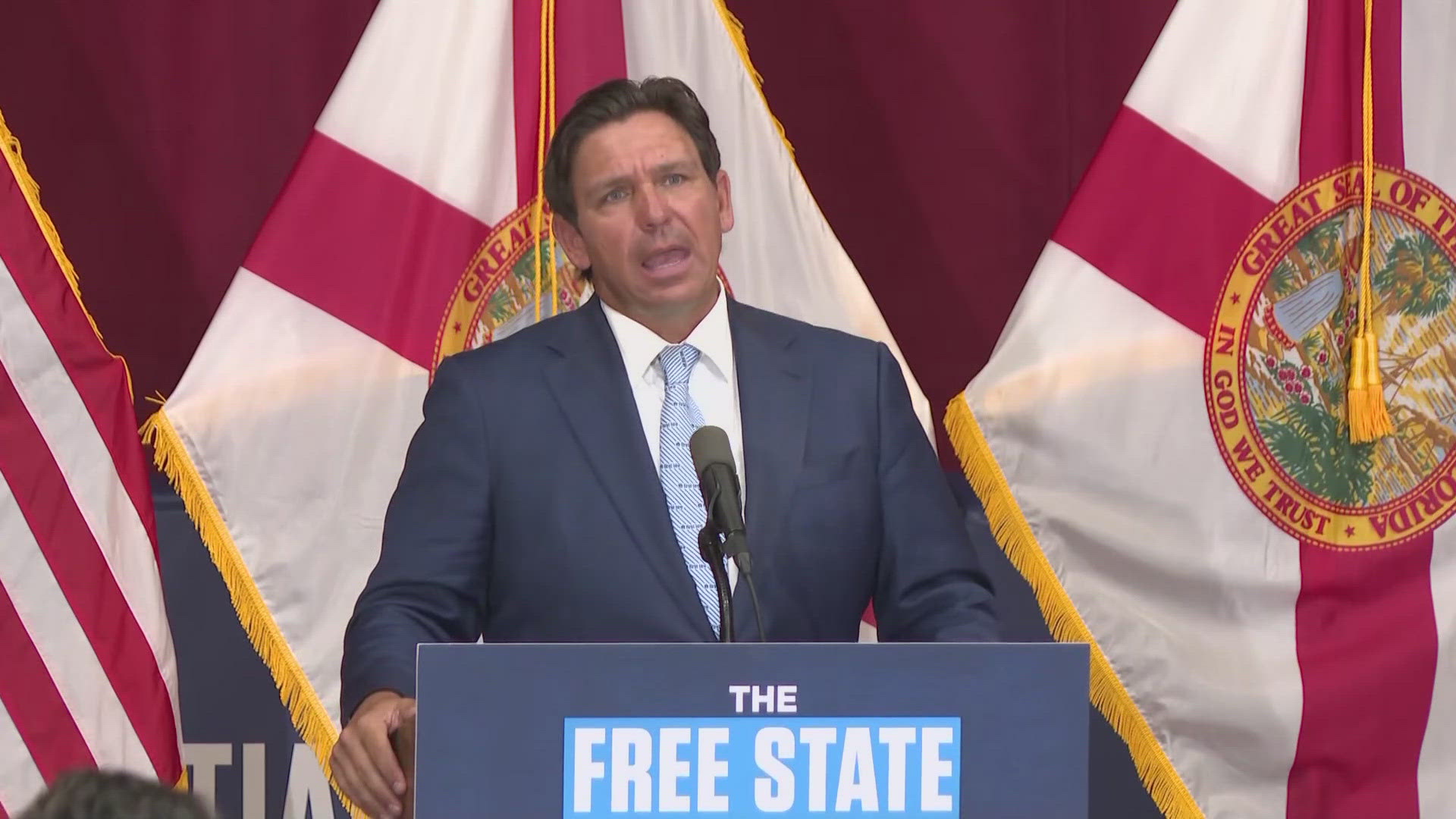
Florida is getting ready to implement a major alteration to its public health strategy, as state representatives have confirmed intentions to remove all vaccine mandates. The statement, made by Florida’s surgeon general, indicates a notable change in policy that could transform vaccination rules within workplaces, educational institutions, and governmental bodies throughout the state.
The decision reflects an ongoing debate over individual choice and public health, a conversation that has intensified in recent years following the COVID-19 pandemic. While federal and state governments across the country introduced various vaccine requirements to curb outbreaks and protect vulnerable populations, Florida has consistently taken a different path — prioritizing personal freedom over mandates. This latest move reinforces that stance, setting the stage for a broader discussion about the balance between public safety and individual rights.
< Under the suggested plan, mandates for vaccinations that used to be in place for specific industries — such as healthcare, education, and government jobs — would cease to be mandatory. Companies and establishments can choose to promote vaccination, but making it a requirement for hiring or receiving services will not be allowed. >
The Florida Department of Health has announced that the policy will apply to present and future vaccine guidelines, not limited to COVID-19 but also including various immunizations traditionally obligatory in particular settings. This involves vaccines mandated for school enrollment and healthcare facility personnel, which have been a mainstay in typical public health procedures.
Officials argue that the change is rooted in the principle of medical autonomy, asserting that individuals should have the right to make decisions about their own health without government intervention. Supporters of the policy contend that mandates can create unnecessary division and erode public trust, while voluntary vaccination programs foster cooperation and respect for personal choice.
Florida’s surgeon general has consistently voiced skepticism about vaccine mandates, particularly those implemented during the height of the COVID-19 pandemic. State leaders argue that while vaccines can provide benefits, individuals should retain full authority over their medical decisions.
In public statements, the surgeon general emphasized that this policy is intended to protect personal freedoms while promoting informed consent. Rather than relying on compulsory measures, the state plans to focus on education campaigns designed to provide residents with accurate information about immunization, allowing them to make voluntary decisions based on their circumstances.
Critics, however, raise concerns about the potential impact on public health. Vaccine requirements have historically played a role in controlling the spread of contagious diseases in schools, workplaces, and healthcare environments. Eliminating these mandates, they argue, could increase vulnerability to outbreaks and reverse decades of progress in disease prevention.
The announcement has drawn strong reactions across the political spectrum. Supporters hail the move as a victory for personal liberty, framing it as a necessary corrective to what they view as government overreach during the pandemic. Opponents, on the other hand, warn that dismantling mandates could lead to lower vaccination rates, putting communities at risk and creating additional strain on healthcare systems.
Nationally, the choice made by Florida might impact other states that have deliberated on comparable actions. Some states have strengthened vaccine mandates in reaction to recent health concerns, while others have reduced them, highlighting an increasing split in public health strategies throughout the United States. Florida’s prominent position could encourage legislators in other areas to contemplate similar laws.
A major impact of this strategy will be seen in education. For many years, school vaccination mandates have been fundamental to public health, securing high rates of immunization among children to avert outbreaks of illnesses like measles and whooping cough. Should Florida completely remove these mandates, it would constitute a substantial shift away from established practices aimed at safeguarding vulnerable groups, such as infants and those with weakened immune systems.
Medical institutions might encounter difficulties adapting to the updated regulations. Traditionally, healthcare centers, such as hospitals and clinics, insist that their staff receive specific vaccines to safeguard both patients and personnel against contagious illnesses. Eliminating these requirements may lead to practical and moral challenges for management aiming to ensure secure care settings.
The state legislature is expected to review and formalize the policy in the coming months. Public hearings and stakeholder consultations may take place to address implementation details and potential exceptions, such as requirements during declared public health emergencies.
Meanwhile, state representatives in Florida emphasize that their approach will prioritize voluntary involvement and making sure people are well-informed rather than using force. The state has announced intentions to enhance educational materials for its citizens, offering transparent and easy-to-understand details about vaccines, their advantages, and possible drawbacks.
As Florida moves forward with its plan to eliminate vaccine mandates, the decision is likely to remain at the center of national debate. It raises fundamental questions about the role of government in public health, the limits of personal freedom, and how society should prepare for future health crises without compromising individual rights.
For millions of residents, the change represents both an opportunity and a challenge: the freedom to choose without external pressure, coupled with the responsibility to make informed choices in the interest of personal and community well-being.