

How Does Textile Recycling Work?
Recycling textiles plays a vital role in eco-friendly waste management by gathering, categorizing, and repurposing old fabrics into new, usable materials. This activity helps keep massive amounts of waste out of dumps and lowers the need for virgin materials, saving energy and resources in the process. With the world’s population on the rise, and the fashion sector expanding alongside it, recycling textiles is more important than ever for tackling environmental issues.
The Process of Textile Recycling
The process of recycling textiles is divided into distinct phases, each essential for effectively converting waste textiles into new, functional materials.
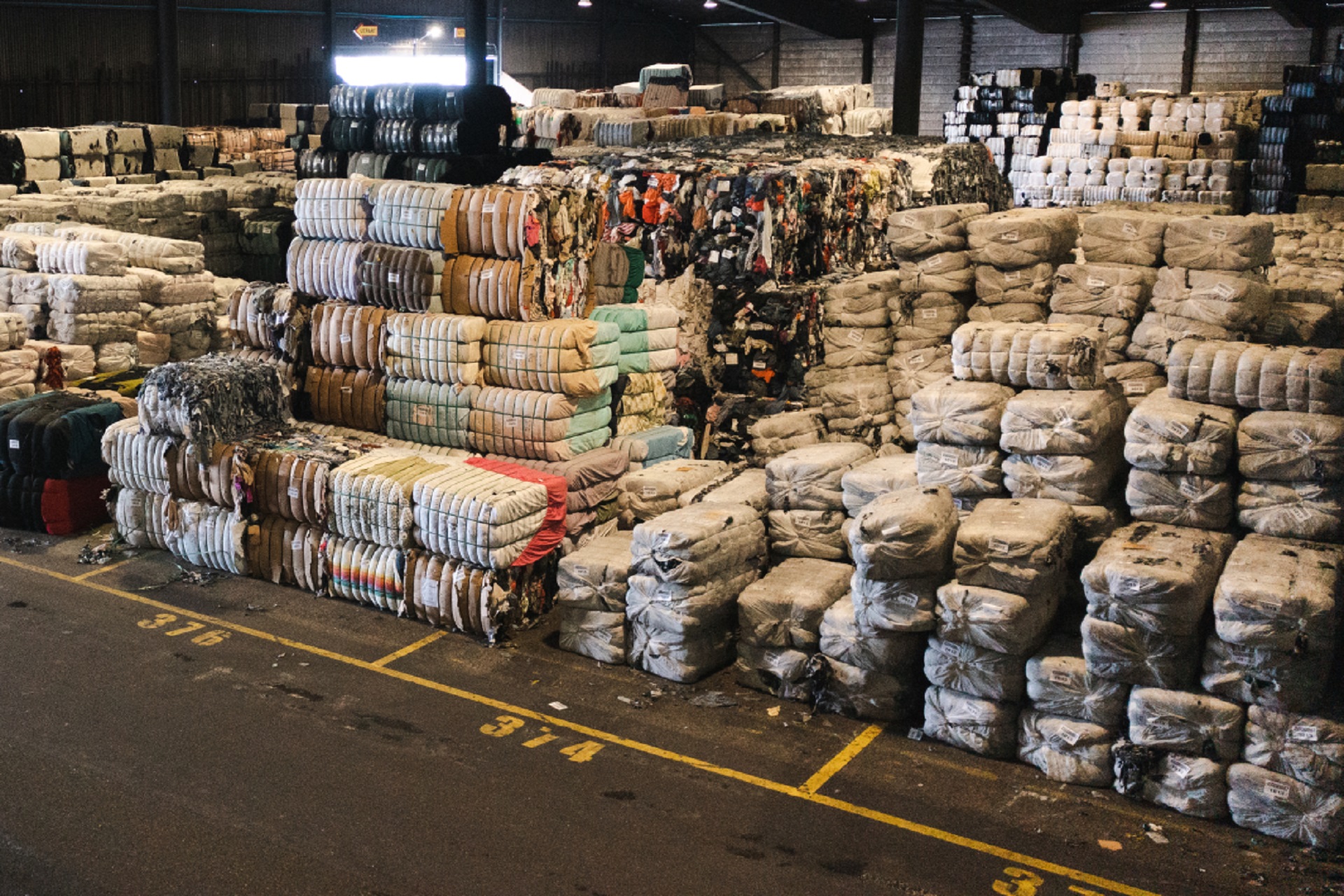
Collection: The initial step involves the collection of textiles, which are gathered from various sources, such as clothing donation bins, thrift stores, and textile recycling banks. Many communities offer curbside pickup services, making it more accessible for individuals to participate in textile recycling.
Sorting and Grading: Once collected, the textiles are sorted based on type, condition, and material. Items in good condition are often resold or donated, while damaged or less desirable textiles are set aside for recycling. The sorted textiles are then graded by experts who assess their quality to determine the most suitable recycling method.
Handling: Various techniques are used in recycling to address different textile categories. Natural fibers, such as cotton and wool, are generally torn into fibers, then cleaned and turned into fresh yarn. Synthetic fibers go through a procedure known as re-polymerization, involving chemical decomposition and reconstruction into new synthetic goods.
Advantages for the Environment and Economy
Engaging in textile recycling yields significant environmental and economic benefits. It reduces the environmental footprint of the fashion industry by decreasing landfill waste, conserving natural resources, and lowering greenhouse gas emissions.
Preserving Energy: Creating new fabrics requires a significant amount of energy. For instance, manufacturing one cotton T-shirt may use up to 2,700 liters of water. Alternatively, recycling significantly lowers water and energy consumption, as the raw materials have undergone processing beforehand.
Reduced Landfill Waste: Textiles can take years to decompose in landfills, emitting harmful greenhouse gases in the process. By recycling these materials, we prevent them from ending up in landfills, thereby reducing environmental pollution.
Economic Advantages: The textile recycling industry has created numerous job opportunities in various sectors, from collection and sorting to retail and manufacturing. It stimulates the economy by encouraging a circular economy model, where materials are kept in use for as long as possible and waste is minimized.
Challenges and Innovations in Textile Recycling
Although it offers advantages, recycling textiles encounters numerous obstacles. Textiles made from blended fibers are challenging to recycle because of the difficulties in separating the various components. Furthermore, the presence of dyes and treatments that are tough to eliminate can impede the recycling process.
Nevertheless, novel advancements are constantly arising to tackle these challenges. Emerging technologies, like automated sorting systems and sophisticated recycling techniques, are being created to enhance the recycling process. Scientists are also investigating biodegradable fibers and eco-friendly dyes to streamline recycling.
The Role of Consumers and Industry
Both shoppers and the clothing sector are crucial to the achievement of fabric recycling. Shoppers can assist by choosing purchases thoughtfully and disposing of their textiles appropriately through donation or recycling initiatives. Conversely, the clothing sector can encourage eco-friendly practices by creating products with an eye toward recyclability and backing pioneering recycling technologies.
The potential for textile recycling to transform waste into valuable resources is immense, offering significant environmental and economic advantages. By adopting sustainable practices and supporting innovation in recycling technologies, society can move towards a more sustainable future, where waste is minimized, and resources are conserved.