

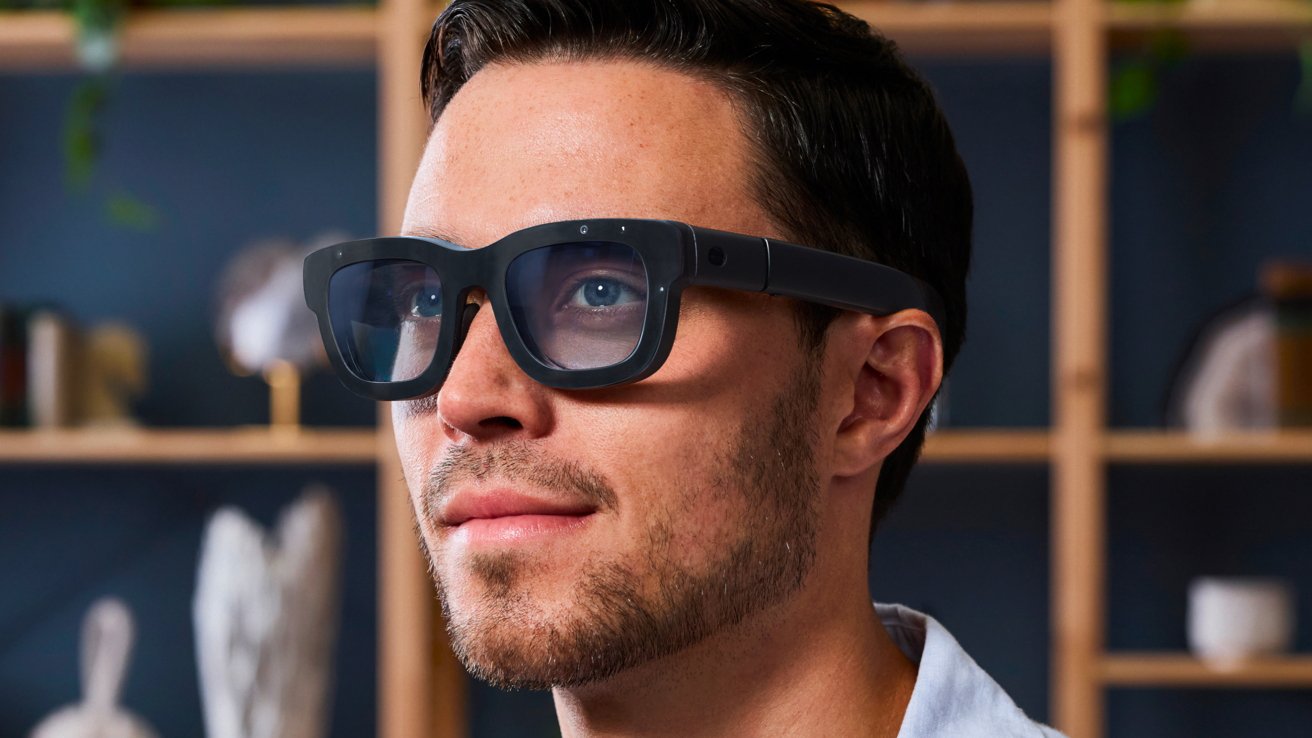
Augmented reality glasses and spatial computing platforms are shifting from specialized experimental gear to indispensable computing tools, a change driven by advances in hardware miniaturization, artificial intelligence, connectivity, and mature software ecosystems, all coming together to redefine how digital interactions blend with the physical environment and how people work, learn, and interact with information.
Prioritizing Miniaturization and Wearability in Core Design
One major trend centers on creating lighter, more comfortable AR glasses that look much closer to ordinary eyewear. Earlier headsets were heavy and consumed significant power, which slowed their adoption. Newer models emphasize improved weight balance, slimmer waveguides, and energy‑efficient components.
- MicroLED and next‑generation OLED displays deliver greater luminance while drawing less power.
- Custom silicon, frequently engineered internally by leading platform makers, minimizes thermal output and extends battery performance.
- Refinements in optical waveguides provide broader viewing angles without adding lens bulk.
These enhancements are essential to support extended scenarios, including navigation, complex enterprise processes, and sustained social engagement.
AI-Driven Contextual Insights and Advanced On-Device Intelligence
Artificial intelligence is rapidly becoming the core engine behind spatial computing, as modern AR glasses increasingly rely on built‑in AI to assess their surroundings, recognize objects, and swiftly interpret what users intend to do.
- Computer vision models map rooms, surfaces, and objects to anchor digital content accurately.
- Natural language processing enables conversational interfaces instead of menus or controllers.
- Personalization engines adapt content based on user behavior, location, and preferences.
For instance, enterprise AR platforms can deliver instant object recognition that detects machinery components and projects guided steps, helping reduce both training time and errors.
Spatial Operating Systems and Holistic Platform Ecosystems
Spatial computing has moved beyond focusing solely on hardware and now relies on powerful operating systems and developer ecosystems, with spatial operating systems increasingly positioning three-dimensional space as the core user interface.
Key features include:
- Durable spatial anchors built to preserve where digital elements remain positioned across successive sessions.
- Unified development frameworks that allow apps to run fluidly on glasses, headsets, tablets, and desktop platforms.
- App marketplaces and monetization approaches tailored expressly for immersive digital spaces.
This platform approach mirrors the evolution of smartphones, where strong ecosystems ultimately determined market leaders.
Bringing Together Cloud and Edge Computing
AR glasses are now often built as lightweight front-end devices that tap into robust cloud and edge systems, minimizing the requirement for intensive local processing while still supporting sophisticated capabilities.
- Edge computing cuts response times, enhancing spatial mapping and enabling instant collaborative actions.
- Cloud rendering delivers detailed 3D visuals that exceed the capabilities of local devices.
- Shared spatial environments let multiple users view and engage with identical digital elements at once.
Industrial and design teams are now using these features to work together on 3D models across continents, accelerating development cycles while reducing travel costs.
Enterprise-First Adoption Driving Maturity
While consumer adoption is growing steadily, enterprise use cases are shaping many platform decisions. Sectors such as manufacturing, healthcare, logistics, and field services provide clear return on investment.
- Remote assistance tools reduce equipment downtime and travel expenses.
- AR-guided assembly and maintenance improve accuracy and speed.
- Medical visualization tools assist in surgical planning and training.
Market data from industry analysts consistently shows enterprise AR deployments delivering productivity gains of 20 to 30 percent in task-specific workflows.
Ethical Design, Privacy Safeguards, and Security Practices
As AR glasses continually scan their environments, escalating concerns around privacy and security are shaping technological innovation and regulatory measures, leading platforms to introduce more explicit recording indicators, increased on‑device data processing, and tighter permission management.
Trends in this area include:
- On-device processing to limit unnecessary data transmission.
- Enterprise-grade encryption for spatial maps and visual data.
- Design standards that signal when cameras or sensors are active.
Trust is steadily emerging as a crucial factor that sets consumer-facing products apart.
Open Standards and Seamless Interoperability
A further significant trend involves strengthening interoperability among devices and platforms, as developers and enterprises increasingly seek standards that minimize lock-in and enable the sharing of spatial data.
- Open and adaptable file formats designed for 3D assets and spatial mapping.
- Cross-platform APIs supporting tracking, gesture input, and the use of spatial anchors.
- Interoperability across AR glasses, mixed reality headsets, and mobile devices.
This trend supports healthier ecosystems and accelerates innovation by lowering development barriers.
The Broader Shift Toward Ambient Computing
AR glasses and spatial computing platforms illustrate a broader evolution toward ambient computing, a space where technology recedes into the background and responds naturally to human behavior, with screens no longer confined to fixed rectangles as information appears exactly when and where it is needed.
The merging of lightweight devices, advanced software, and interconnected infrastructure suggests a future where digital layers flow naturally into the physical world, and as these innovations progress, spatial computing is set to become as fundamental as mobile tech, reshaping daily life not with dramatic gestures but through a subtle, constant integration.