

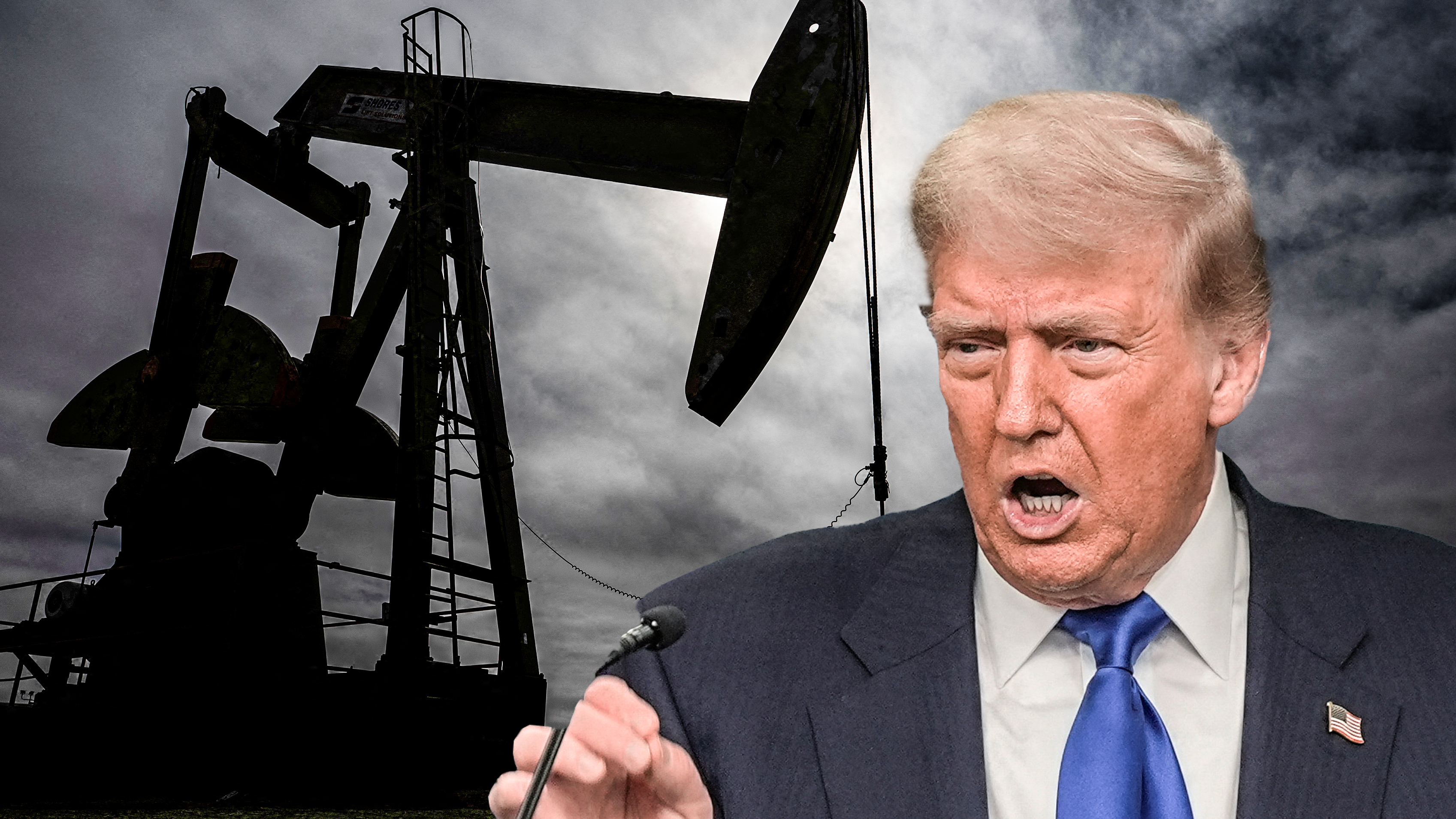
As discussions around global trade continue to evolve, former U.S. President Donald Trump has made headlines once again with a bold proposal that could reshape international economic relations. Speaking at a recent political event, Trump suggested that if he were to return to office, his administration would consider imposing an additional 10% tariff on goods from countries choosing to align with the expanding Brics alliance—an economic bloc that includes Brazil, Russia, India, China, and South Africa.
The suggestion mirrors Trump’s enduring conviction that assertive trade policy can act as an effective instrument to defend U.S. industries and offset the power of emerging international rivals. Despite receiving positive responses from his supporters and worries from economic experts, the possible outcomes of this action deserve thorough analysis.
Brics, initially established as a casual assembly of rapidly developing economies, has aimed to broaden its impact and sway in the global market over the past few years. Conversations between the member countries have focused on strengthening trade connections, boosting cooperative investment efforts, and potentially creating alternative financial systems that question the authority of Western-driven institutions. As the group builds momentum, the possibility of more countries becoming part of Brics has caused concern among some Western policymakers who worry about a slow change in the balance of global economic power.
Trump’s tariff warning appears to target this very trend. By signaling a willingness to impose penalties on countries that strengthen their ties with Brics, Trump aims to disincentivize what he perceives as an erosion of U.S. influence in global trade. His proposal is not entirely surprising given his track record of using tariffs as leverage during his presidency, including in high-profile disputes with China, the European Union, and North American partners.
The proposal of a 10% duty, however, adds new layers of complexity. This suggested policy differs from past trade conflicts that concentrated on particular sectors or bilateral discrepancies, as it is more comprehensive, possibly affecting a wide array of countries depending on their geopolitical stance instead of specific trading practices.
This kind of strategy might result in significant economic impacts. Numerous nations contemplating stronger ties with Brics are key trade associates of the United States, providing a range of products from raw materials to finished goods. An overall tariff might increase expenses for both U.S. consumers and corporations, interrupt supply networks, and provoke counteractions from the countries involved.
Those who oppose the concept have rapidly highlighted the dangers involved. Financial experts caution that the international economic system is currently struggling with obstacles like rising prices, interruptions in the supply chain, and geopolitical unrest. Implementing additional tariffs might worsen these problems, hindering economic progress and possibly resulting in increased costs for consumers in the United States.
Furthermore, international trade experts suggest that punishing countries for their diplomatic choices could undermine U.S. credibility in the global community. Rather than strengthening alliances, such actions might push other nations closer to rival blocs, accelerating the very shift in global influence that Trump seeks to prevent.
From a strategic standpoint, the rise of Brics presents a legitimate challenge to Western economic dominance. The combined economies of Brics members represent a significant share of global GDP, and the group’s efforts to enhance cooperation in trade, energy, and technology have the potential to reshape international markets over the coming decades. In this context, Trump’s remarks tap into broader anxieties about the future of U.S. leadership in a multipolar world.
However, there is a continuing discussion regarding the best approach for the United States to tackle these changes. Certain policymakers support increased interaction with growing economies through diplomacy, trade accords, and investment alliances. Others, such as Trump, prefer more assertive strategies focused on safeguarding local industries and urging foreign governments to reevaluate their partnerships.
The mechanisms for putting this type of tariff policy into practice are still not well-defined. Would the extra 10% tax apply equally to all products from countries connected to Brics? How would temporary partnerships or selective collaborations be handled? Would there be exceptions for vital imports like energy or pharmaceuticals? These pending queries underline the intricacies of turning political statements into concrete trade policies.
The potential fallout from implementing such tariffs also raises questions about U.S. domestic industries. Many American manufacturers, retailers, and technology firms rely heavily on imports from countries that might be affected by this policy. Raising tariffs could increase production costs, reduce competitiveness, and potentially lead to job losses in industries that depend on global supply chains.
Over time, tariffs have shown varied effectiveness as an economic policy instrument. Although they might offer short-term support to specific sectors, they generally lead to increased costs for consumers and may trigger countermeasures that negatively impact exporters. The trade conflict between the U.S. and China under Trump’s earlier term serves as an example of these effects, where tariffs caused consumer prices to rise, created business uncertainty, and made minimal headway on fundamental trade challenges.
Proponents of Trump’s approach argue that tariffs can be an effective bargaining chip, forcing foreign governments to the negotiating table and creating space for new trade deals that better serve American interests. They point to the renegotiation of the North American Free Trade Agreement, which resulted in the United States-Mexico-Canada Agreement (USMCA), as evidence that tough trade tactics can yield tangible outcomes.
Yet even in cases where tariffs have achieved short-term political victories, the long-term economic impacts remain a matter of debate. Many economists caution that sustained reliance on tariffs can erode trust, increase volatility, and ultimately weaken economic resilience.
Beyond the economic discussion, Trump’s tariff plan also connects with larger geopolitical transformations. The increasing impact of Brics indicates a shifting global order where rising economies are claiming more independence and exploring options outside of conventional Western-dominated bodies like the World Bank and International Monetary Fund. This transition is partly fueled by discontent with the current international financial framework, perceived inequalities, and a push for more influence in global decision-making.
The expansion of Brics could have implications for everything from global energy markets to digital currency systems. The group has already explored the idea of creating a shared currency to reduce reliance on the U.S. dollar in international transactions—an idea that, if realized, could have profound consequences for American economic influence.
In this scenario, the tariff suggested by Trump acts not just as a financial tool but also as a representation of sustaining U.S. dominance in a changing world scene. By warning of sanctions against countries that associate with Brics, Trump highlights his wider perspective that emphasizes national independence, economic autonomy, and a pragmatic stance on global interactions.
Whether such an approach would achieve its intended goals remains uncertain. Global trade is deeply interwoven, and attempts to reshape its patterns through unilateral action often encounter resistance and unintended consequences. Moreover, the success of any such policy would depend heavily on its design, implementation, and the broader international environment at the time.
At present, Trump’s statements mainly act as an indication of the trade policy path he could follow if re-elected. They also underscore the increasing significance of Brics as a powerful economic entity and the challenge it presents to existing powers. As the global economy keeps evolving, the decisions made by the United States—and its possible future leaders—will have a crucial impact in determining the course of international trade and collaboration.
Companies, financial stakeholders, and government officials will keep a keen eye on the progression of trade talks, understanding that duties, partnerships, and economic power are closely linked. Be it through collaboration, rivalry, or conflict, the equilibrium of international trade will continue to be a pivotal matter in this century.