

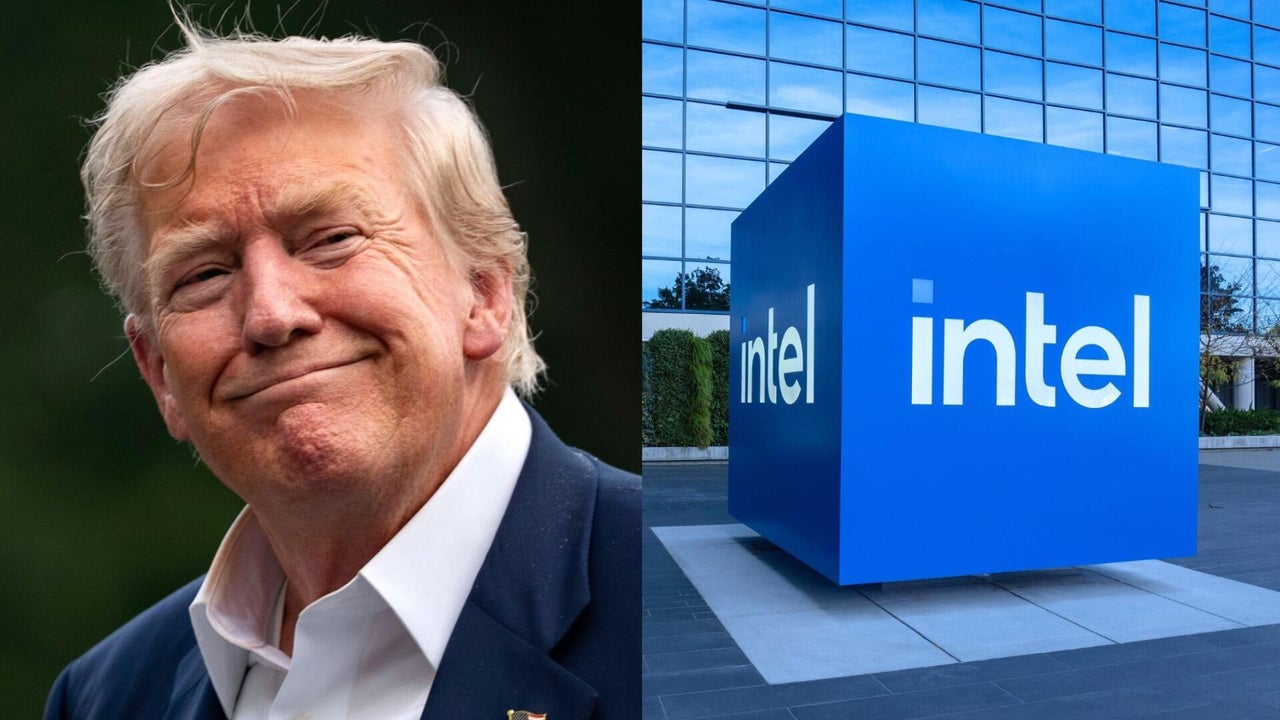
The United States government is reportedly considering a significant move that could reshape the future of the semiconductor industry. Discussions have surfaced around the possibility of acquiring up to a 10 percent stake in Intel, one of the most influential chipmakers in the world. This idea reflects growing concern about technological independence, national security, and global competitiveness in a field that underpins virtually every modern industry.
The proposal aligns with broader efforts to strengthen domestic chip production. Semiconductors are essential for computers, smartphones, vehicles, military systems, and countless connected devices that define modern life. The COVID-19 pandemic exposed vulnerabilities in global supply chains, particularly in semiconductors, where heavy dependence on overseas production created shortages and delays across industries. That disruption highlighted the urgency of regaining greater control over chip manufacturing.
By exploring an investment in Intel, the United States is signaling a willingness to take bold measures. Rather than relying solely on subsidies or tax incentives, direct involvement in a leading chipmaker could provide both strategic influence and a pathway to ensuring that production remains resilient against global pressures. This level of engagement would also demonstrate a departure from traditional hands-off policies toward technology companies.
Intel has long been regarded as a cornerstone of American innovation. Founded in 1968, the company played a crucial role in the development of microprocessors that powered the personal computer revolution. Although Intel faced challenges in recent years, including fierce competition from companies like AMD and Taiwan Semiconductor Manufacturing Company (TSMC), it remains one of the few firms with the capacity to design and manufacture advanced chips on U.S. soil. That makes it uniquely positioned in the discussion of national priorities.
The strategic implications of a potential U.S. stake in Intel cannot be overstated. Nations around the world have recognized semiconductors as a critical resource, not unlike oil or rare earth minerals. China, in particular, has poured billions into developing its own chip sector, seeking self-sufficiency and global dominance. Against that backdrop, ensuring that American companies remain leaders in chip design and manufacturing is not just an economic issue, but a geopolitical one.
Critics, however, raise concerns about government ownership of private enterprises. They argue that such intervention could blur the line between public and private responsibilities, potentially creating inefficiencies or conflicts of interest. Supporters counter that extraordinary circumstances require innovative approaches, and that the semiconductor sector is too vital to be left vulnerable to market fluctuations or international disruptions.
For Intel, government involvement could open doors to both possibilities and difficulties. On the one hand, collaboration with the federal government might offer significant resources, stability, and strategic guidance. On the other hand, it could also bring increased oversight, political interference, and expectations that could complicate decision-making. Striking a balance between innovation, competitiveness, and national interests would be a daunting challenge.
The debate also touches on the broader question of industrial policy in the United States. For decades, economic philosophy leaned toward minimal intervention, allowing markets to dictate outcomes. In contrast, many Asian and European countries actively guided key sectors through subsidies, strategic investments, and long-term planning. The potential U.S. stake in Intel reflects a shift toward embracing a more hands-on approach to securing technological leadership.
Another dimension of the discussion centers on the workforce. Semiconductor manufacturing requires highly skilled engineers, technicians, and researchers. By strengthening Intel’s role within the U.S., the government could help stimulate domestic job growth in high-tech fields, while also investing in education and training programs to build a stronger pipeline of talent. That would not only benefit Intel but also the broader ecosystem of innovation and technology.
Financial aspects are equally important. Purchasing a 10 percent share in Intel would involve investing several billion dollars. Although the U.S. has already allocated considerable resources to aid the semiconductor sector via programs like the CHIPS and Science Act, acquiring direct equity would signify an even more profound engagement. This action would probably draw notable interest from global markets, analysts, and rivals.
The global response would also be informative. Countries like Japan, South Korea, and those in Europe have shared comparable worries regarding semiconductor supply chains, with several having initiated their own measures to strengthen local production capacities. A U.S. government interest in Intel could motivate similar actions in other countries, possibly altering international partnerships in the pursuit of technological stability.
From a business standpoint, Intel has detailed ambitious strategies to enhance its production capabilities. The company has revealed plans involving investments worth billions in new manufacturing facilities across the United States and Europe. These plants are designed to produce advanced chips to support technologies ranging from artificial intelligence to self-driving cars. Government participation could speed up these efforts and offer protection against financial uncertainties.
Nevertheless, obstacles persist. The semiconductor sector is well-known for its cyclical nature, characterized by peaks and troughs that challenge even the most robust firms. Government control wouldn’t protect Intel from rivals or technological challenges. Competitors are making swift progress, and the pace of innovation is at an all-time high. For the U.S., putting resources into Intel would demand a forward-looking approach, endurance, and a clear comprehension of how to harmonize business sustainability with national interests.
The broader context includes security concerns. Semiconductors are indispensable for defense systems, satellites, and communications networks. Ensuring that the United States maintains reliable access to cutting-edge chips is seen as critical for maintaining military readiness and protecting sensitive information. By supporting Intel, the government could strengthen a key pillar of national defense.
Public sentiment is expected to have an influence. People have become more informed about the critical role of semiconductors, especially following the price surge in vehicles, technology, and everyday items due to shortages. Presenting the prospective investment as a way to safeguard employment, bolster the economy, and improve security might be well-received. However, doubts regarding public expenditure and business subsidies could lead to disapproval if the plan is not clearly communicated.
The ongoing discussion regarding Intel highlights wider issues in global economic and political landscapes. Leading in technology has emerged as a key challenge in the 21st century, impacting commerce, international relations, and even cultural dynamics. By contemplating this action, the United States recognizes that semiconductors represent more than just an ordinary product; they are crucial for future growth and safety.
As discussions progress, the question remains whether the government will move from consideration to action. Acquiring a stake in Intel would be a landmark decision, setting a precedent for future engagement with private industry. Whether it is ultimately embraced or rejected, the very fact that it is being considered signals a profound shift in the way the U.S. views its role in safeguarding technological advantage.
For now, the semiconductor industry continues to evolve at a breathtaking pace. Advances in artificial intelligence, quantum computing, and edge devices demand ever more powerful and efficient chips. Intel, despite its challenges, remains a central player in this landscape. If the U.S. chooses to invest directly, it would not only influence one company’s trajectory but also the balance of power in an increasingly competitive and interconnected world.
Ultimately, the argument highlights a basic fact: semiconductors are crucial to contemporary economies, and managing their creation is vital for national security and economic development. The possible U.S. involvement in Intel signifies more than just a financial deal; it showcases strategic goals in a time when technology determines both success and influence. People around the globe will keenly observe how this conversation progresses and the implications it holds for the future of worldwide innovation.