
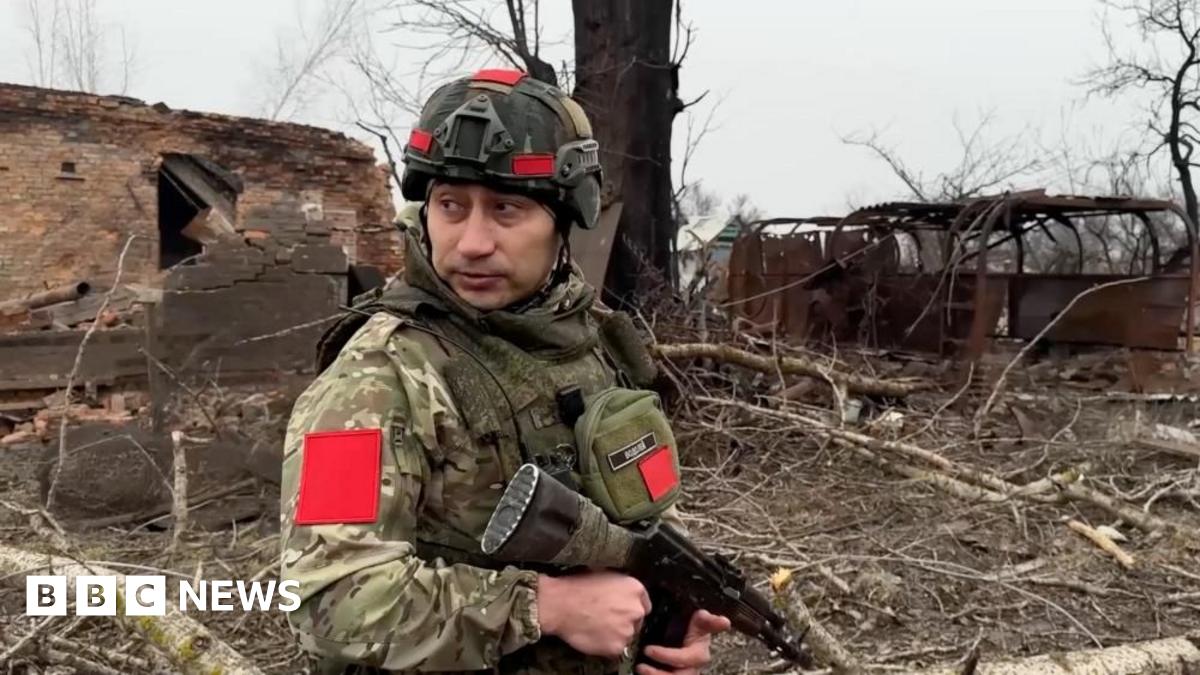
A senior U.S. delegation has landed in Moscow to participate in crucial discussions about the continuous conflict in Ukraine. This trip occurs amidst rising tensions and a pivotal development on the ground, as Russian troops have recaptured a town of strategic significance. The coinciding timing of these occurrences highlights the intricacy of the situation and the diplomatic hurdles involved.
A high-ranking U.S. delegation has arrived in Moscow to engage in critical talks regarding the ongoing conflict in Ukraine. This visit comes amid escalating tensions and a significant development on the battlefield, with Russian forces regaining control of a strategically important town. The parallel timing of these events underscores the complexity of the crisis and the diplomatic challenges at hand.
The visit by the U.S. delegation to Moscow signifies a significant step in diplomatic attempts to resolve the crisis. Although the specifics of the agenda have not been revealed, discussions are anticipated to center on reducing conflict, providing humanitarian assistance, and exploring possible negotiation routes. The arrival of U.S. officials in the Russian capital is an uncommon event, underscoring the pressing need to seek a way forward as the humanitarian and military conditions deteriorate.
The Russian seizure of the town is considered a tactical win, strengthening its stance in the ongoing war. Experts propose that this move might have wider impacts on the conflict, possibly altering the momentum on the battlefield. It also emphasizes the ongoing difficulties encountered by Ukrainian forces, despite sustained backing from Western countries, including the United States and its NATO partners.
Russia’s recapture of the town is being viewed as a tactical victory, bolstering its position in the ongoing war. Analysts suggest that this advance could have broader implications for the conflict, potentially shifting momentum on the ground. It also highlights the persistent challenges faced by Ukrainian forces, despite continued support from Western nations, including the United States and its NATO allies.
Observers suggest that the scheduling of the Moscow discussions may be deliberate. Russia’s recent military achievement in reclaiming the town could act as a tactical advantage in future negotiations. By regaining control over disputed land, Moscow might be indicating its desire to negotiate while holding a strong position, adding complexity to the U.S. delegation’s attempts to push for a ceasefire or peace discussions.
The wider geopolitical implications of the Ukraine conflict add additional complexity to the talks. The U.S. and its allies view the war as a crucial assessment of international standards and sovereignty, stressing the necessity to counter Russian aggression. In contrast, Russia sees the conflict as a larger battle against what it considers Western intrusion into its area of influence. These conflicting narratives make reaching a mutual understanding extremely challenging, despite the growing humanitarian crisis.
The broader geopolitical stakes surrounding the Ukraine conflict add another layer of complexity to the discussions. The U.S. and its allies have framed the war as a critical test of international norms and sovereignty, emphasizing the need to counter Russian aggression. For Russia, the conflict represents a broader struggle against what it perceives as Western encroachment into its sphere of influence. These opposing narratives make finding common ground exceedingly difficult, even as the humanitarian toll mounts.
The presence of the U.S. delegation in Moscow prompts questions about the possibility of revived dialogue between the two major powers. Although formal relations between Washington and Moscow have worsened considerably since the conflict began, this trip might indicate an openness to exploring diplomatic avenues, even if the aim is merely to manage the crisis rather than fully resolve it.
Detractors of the U.S. policy on Ukraine contend that Washington has been too centered on military solutions, which might extend the conflict. Supporters, on the other hand, argue that strong backing for Ukraine is crucial to prevent further Russian aggression and uphold international law. The discussions in Moscow could offer a chance to reevaluate these strategies, especially as the conflict progresses and new challenges arise.
For Ukraine, the U.S. visit to Moscow presents a dual message. It highlights Washington’s dedication to tackling the crisis but also stirs worries about possible concessions made without Kyiv’s complete involvement. Ukrainian authorities have repeatedly stressed that any talks concerning their nation must prioritize their sovereignty and territorial integrity, which aligns with U.S. policy but might face challenges in crucial diplomatic discussions.
For Ukraine, the U.S. visit to Moscow sends mixed signals. While it underscores Washington’s commitment to addressing the crisis, it also raises concerns about potential compromises that could be made without Kyiv’s full participation. Ukrainian officials have consistently emphasized that any negotiations involving their country must prioritize their sovereignty and territorial integrity, a stance that aligns with U.S. policy but could be tested in high-stakes diplomacy.
As the situation unfolds, the international community will be closely watching the outcomes of the Moscow talks. With the conflict showing no signs of abating, the stakes for Ukraine, Russia, and the broader global order remain high. Whether this meeting marks a turning point or simply another chapter in the protracted crisis is yet to be seen, but its implications are likely to resonate far beyond the immediate battlefield.
The combination of renewed military action and diplomatic engagement highlights the dual nature of the Ukraine conflict—one that is fought both on the ground and across negotiating tables. For the U.S., navigating this delicate balance will require not only strategic clarity but also a willingness to engage with adversaries in pursuit of a broader resolution. For now, the Moscow talks serve as a reminder that even in the face of entrenched divisions, dialogue remains an essential tool in the search for peace.