
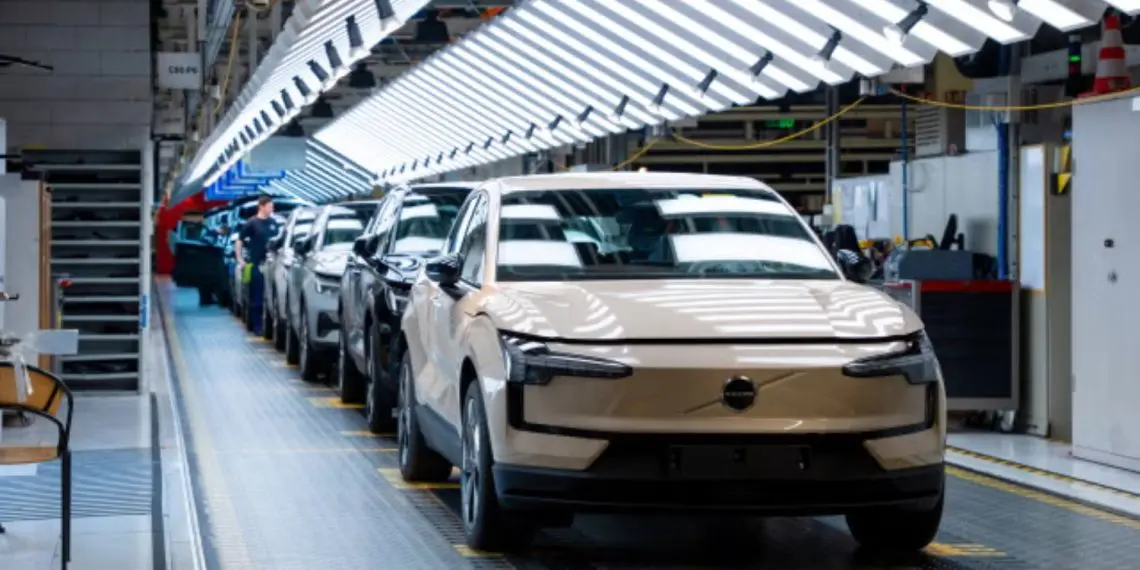
Volvo Cars, ahora bajo propiedad china, ha revelado planes para suprimir cerca de 3,000 puestos de trabajo como parte de un esfuerzo de reestructuración estratégica. Esta determinación muestra la necesidad de la empresa de ajustarse a las condiciones fluctuantes del mercado y de optimizar sus operaciones en un entorno automotriz competitivo.
The decision to reduce positions arises due to persistent difficulties in the worldwide car sector, such as interruptions in supply chains, changing customer tastes, and a rapid shift to electric cars. As automakers more and more focus on effectiveness and eco-friendliness, Volvo Cars aims to stay competitive while managing these challenges.
Volvo’s decision to reduce its workforce is part of a broader trend seen across the automotive sector, where many companies are reevaluating their operations to ensure long-term viability. This shift is particularly pertinent as the industry faces significant technological changes and the need to invest heavily in electric mobility. By optimizing its workforce, Volvo aims to allocate resources more effectively toward innovation and development.
Layoffs suggest impacts across different departments of the company, although specific information about the positions to be affected has not been disclosed. Management emphasized that the decision wasn’t made lightly, highlighting the importance of maintaining a strong and focused team as the company prepares for its next phase of growth.
Though there’s been a decrease in employment, Volvo Cars remains dedicated to its goal of becoming a pioneer in eco-friendly transportation. The firm has set bold objectives for electrification, with a significant portion of its future sales expected to be from electric vehicles. This dedication to sustainability corresponds with international movements to lower carbon emissions and support green transportation methods.
In addition to job cuts, Volvo is also exploring new strategies to enhance its operational efficiency. This may include investing in advanced manufacturing techniques, improving supply chain logistics, and leveraging digital technologies to optimize production processes. By embracing innovation, Volvo seeks to create a more agile and responsive organization capable of adapting to market demands.
The announcement regarding staff cuts has created unease among workers and industry analysts about how it might affect morale and efficiency. As the car industry keeps transforming, keeping employees motivated will be vital for Volvo’s future achievements. The firm will need to employ strong communication methods to make sure that the team comprehends the reasons behind the adjustments and feels backed during the shift.
Volvo’s reduction in workforce highlights the broader economic context within which the automotive sector operates. The ongoing effects of the COVID-19 pandemic have disrupted supply chains, leading to shortages of crucial components and affecting production schedules. As companies face these challenges, many must make difficult decisions to maintain their financial stability.
As Volvo Cars progresses with its reorganization strategy, it must weigh the urgent necessity of expense reduction against its enduring goals for expansion and sustainability. Connecting with stakeholders, such as workers, vendors, and clients, will be crucial in creating a cooperative atmosphere that aligns with the company’s aims.
In summary, Volvo Cars’ choice to eliminate 3,000 positions demonstrates the continuous difficulties encountered by the car industry as it moves towards a greener future. Although reducing staff may be crucial for immediate steadiness, the organization’s dedication to advancement and electrification will be key to its success in the long run. By managing these shifts wisely, Volvo seeks to strengthen its position in the changing car market.