
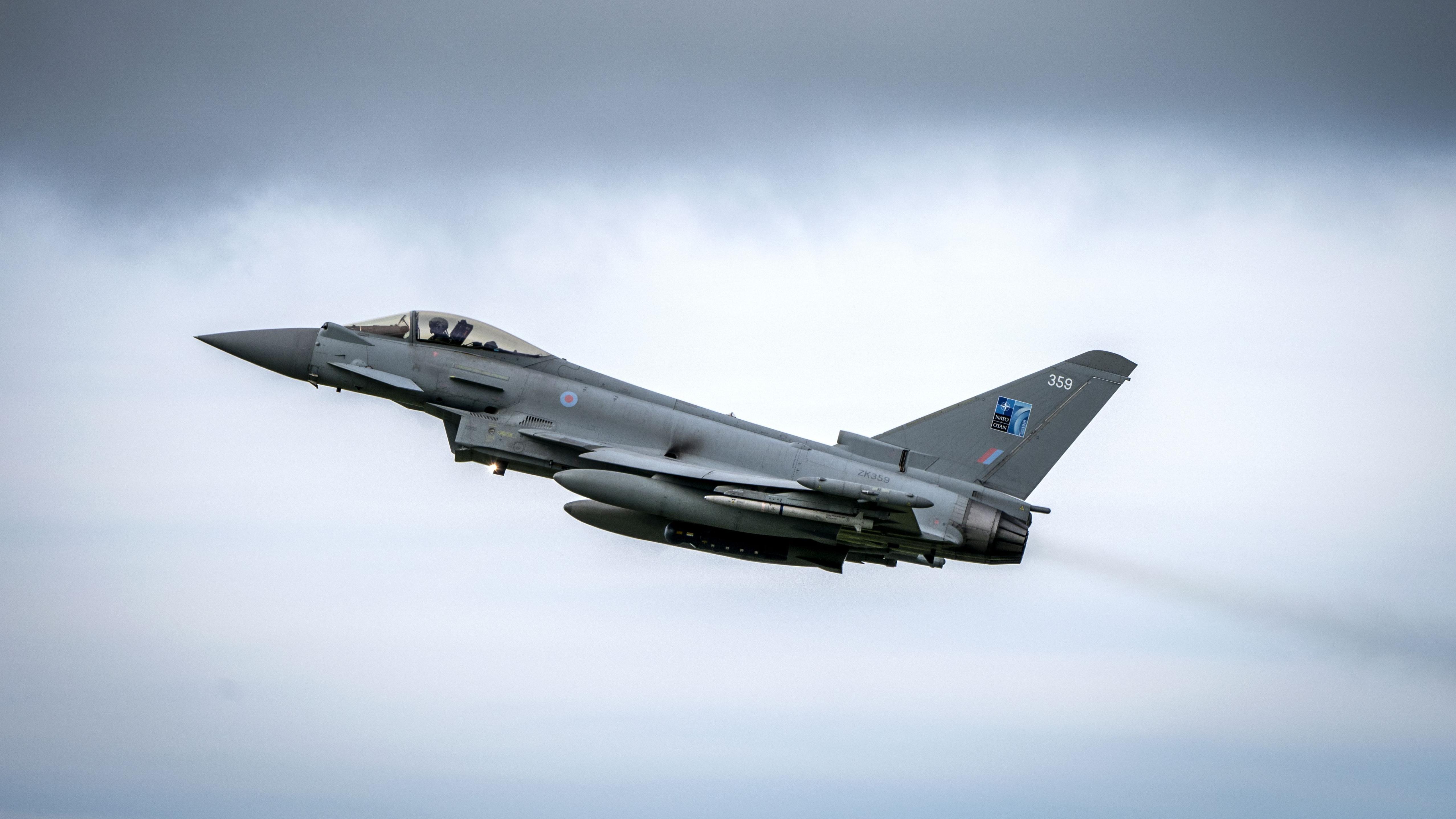
In an incident that has drawn international attention, a British private jet has been stranded in India under circumstances that remain both unusual and legally complex. The aircraft, originally bound for a short stopover, has found itself at the center of a growing controversy involving legal procedures, diplomatic sensitivities, and questions about the global movement of private aircraft.
The story began when the private jet, operated by a UK-based charter company, landed in India as part of a scheduled journey that was expected to proceed without issue. However, shortly after arrival, Indian authorities intervened, grounding the aircraft and preventing its departure. What was supposed to be a routine transit quickly escalated into a high-profile situation that has yet to find resolution.
At the heart of the matter are legal and regulatory concerns that led Indian officials to take the extraordinary step of halting the aircraft’s journey. Although the full details have not been publicly disclosed, reports suggest that the aircraft’s documentation, flight permissions, or other operational aspects may not have fully complied with Indian aviation regulations. The grounding of the jet has sparked considerable debate, with observers questioning whether the action was purely procedural or if other underlying issues contributed to the decision.
The passengers and crew on board were caught off guard by the unfolding situation. For them, the stopover was intended to be brief—a mere pause on an otherwise smooth international itinerary. Instead, they found themselves stranded, facing uncertainty and the complexities of legal processes in a foreign country. The case has highlighted how quickly international travel, even by private aircraft, can become entangled in regulatory frameworks that vary widely from one country to another.
Aviation experts have pointed out that while private jets often enjoy more flexible scheduling and routing than commercial flights, they are still subject to the strict oversight of national aviation authorities. These regulations are designed to ensure safety, proper authorization, and adherence to international standards. Any discrepancy—whether related to customs, airspace permissions, or paperwork—can lead to serious consequences, including the grounding of an aircraft.
In this particular case, the Indian authorities have emphasized that their actions were taken in accordance with domestic laws and aviation protocols. They maintain that any aircraft entering Indian airspace must comply fully with regulations, regardless of the country of origin or the profile of those on board. From their perspective, the grounding is a matter of national sovereignty and the enforcement of aviation standards, not an act of hostility or diplomatic dispute.
The incident has not only raised eyebrows in aviation circles but has also touched on broader diplomatic implications. With the aircraft registered in the United Kingdom and operated by a British company, the matter has drawn attention from both governments. While no direct political conflict has emerged, the presence of diplomatic channels in resolving such cases is often inevitable. The situation has underscored the importance of meticulous preparation when navigating international airspace, especially when traveling through jurisdictions with stringent aviation rules.
For the passengers, the experience has been one of frustration and disruption. Stranded far from home, they have faced logistical challenges in addition to the legal hurdles surrounding the aircraft itself. Arrangements for accommodations, onward travel, and legal representation have complicated what was meant to be a straightforward journey. Some of the passengers have voiced concerns about the lack of clear communication and the difficulties of navigating unfamiliar legal systems.
Legal experts observe that events of this nature, though uncommon, do have past occurrences. International aviation encompasses a sophisticated network of bilateral deals, airspace privileges, customs rules, and safety prerequisites. Any perceived breach—regardless of its insignificance—can prompt immediate and severe actions from national officials. In this situation, the ambiguity regarding the details of the purported violation has sparked conjecture and media focus.
The private aviation industry, which has experienced significant expansion in recent years, encounters distinct hurdles regarding international compliance. In contrast to commercial airlines that function within established global alliances and regulatory frameworks, private jet operators frequently depend on individual permissions for every flight path. This creates opportunities for misunderstandings, errors, or ambiguous legal scenarios that can lead to issues similar to this instance.
The incident has highlighted India’s dedication to consistently applying its aviation regulations, irrespective of where the aircraft comes from. Indian aviation officials have clarified that they are merely enforcing the rules and that every aircraft entering their jurisdiction faces identical inspection. This method aligns with global aviation standards, where nations maintain complete authority over their airspace and airport management.
Simultaneously, the stationary aircraft is still in India, awaiting the conclusion of the ongoing judicial and administrative procedures. The duration of this scenario is uncertain, as both parties aim to settle the issue through formal routes. This incident has sparked conversations within the aviation sector regarding the necessity of thorough compliance inspections and the possible repercussions of bureaucratic mistakes.
From a wider view, the incident highlights the significant role behind-the-scenes logistics and adherence to legal standards play in global travel—whether it’s for work, pleasure, or diplomatic reasons. What might appear to be an ordinary trip can be disrupted due to documentation mistakes, errors in regulations, or unexpected events in the destination country. For those using private jets and their operators, the takeaway is evident: careful observance of global rules and ordinances is indispensable, not merely a choice.
The ripple effects of this incident may well extend beyond the immediate parties involved. Aviation regulators, charter companies, and travelers are likely to reexamine protocols, documentation, and compliance strategies to avoid similar situations in the future. Governments, too, may use this case to reinforce the message that adherence to legal and regulatory norms is non-negotiable, regardless of the traveler’s nationality or the nature of the flight.
As the narrative progresses, the British aircraft stays on the ground, symbolizing the crossroads between global travel, regulatory scrutiny, and the uncertain aspects of international aviation. The aspiration is to achieve a solution that honors the legal systems of the host nation while permitting the secure and systematic resumption of travel. Meanwhile, this exceptional situation acts as a warning story for the private aviation sector and a striking reminder that despite open skies, borders—and their regulations—retain significance.