
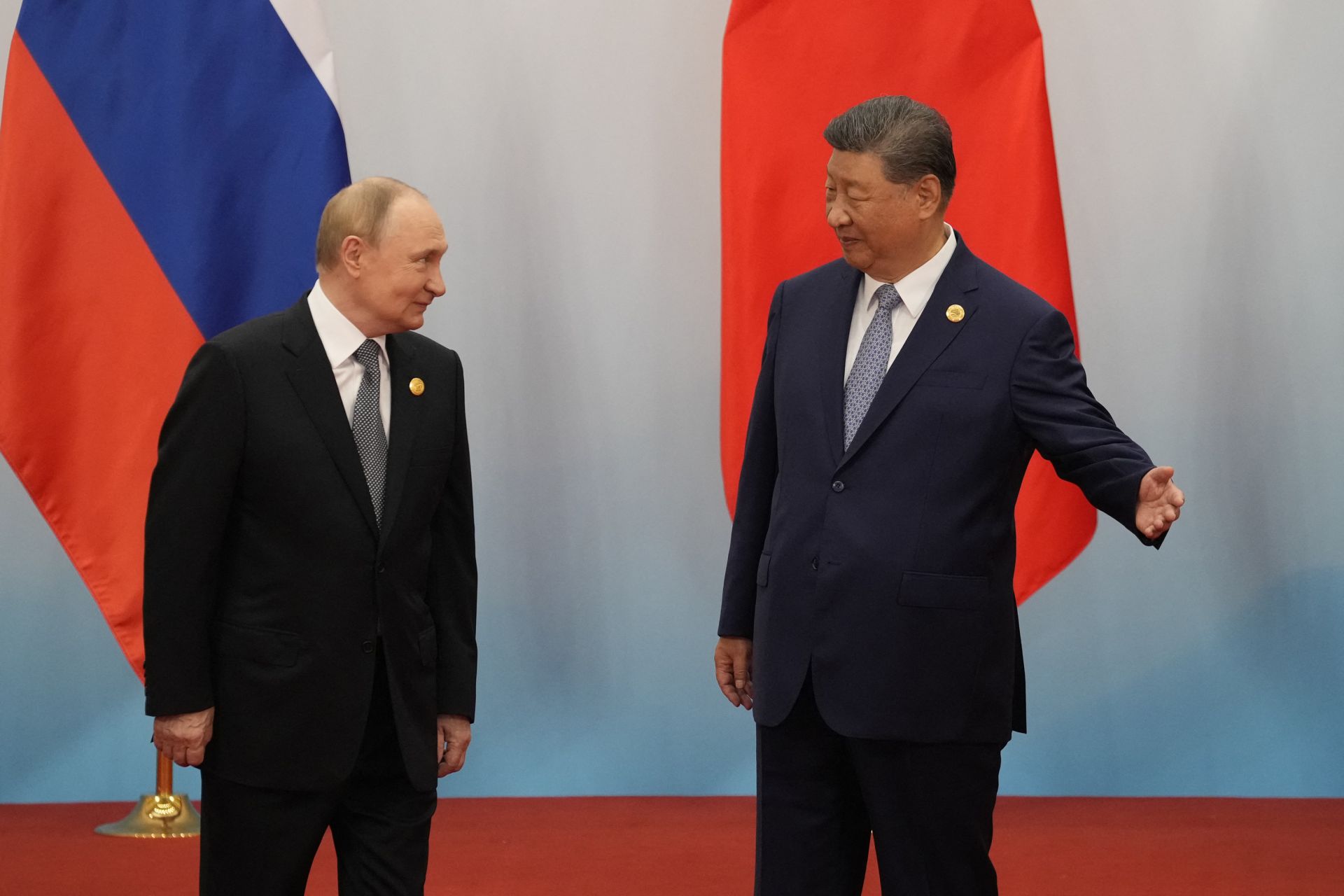
The developing alliance between China’s leader, Xi Jinping, and Russia’s leader, Vladimir Putin, has captured the international community’s focus. Their increasing accord indicates a desire to propose an alternative to the Western-dominated global system, with both heads stressing strategic collaboration amid rising geopolitical strains.
This alliance has emerged in the context of increasing tension with the United States and its partners. China’s emergence as a dominant economic and military force, along with Russia’s ongoing opposition to Western strategies, has facilitated more extensive cooperation between these two countries. Their regular joint appearances and reciprocal backing in important global platforms highlight this mutual ambition for a multipolar world.
Observers note that Xi and Putin’s recent meetings have highlighted a convergence of interests rather than a mere symbolic alliance. Both nations share an objective of reducing dependence on Western-dominated financial systems, strengthening trade routes outside traditional channels, and asserting greater influence in regions like Asia, Africa, and Latin America. These efforts reflect a desire to counterbalance what they perceive as an overreach of U.S. authority in global affairs.
China’s diplomatic positioning has been especially assertive in recent years, projecting itself as a mediator and a proponent of stability while simultaneously increasing its military presence in key areas. The country’s Belt and Road Initiative continues to expand economic connectivity, offering infrastructure investments to developing nations. This strategy serves not only to boost trade but also to enhance China’s political influence across emerging markets, positioning it as a viable alternative to Western institutions.
Russia, for its part, remains intent on maintaining relevance despite facing extensive sanctions and political isolation from Western nations. By reinforcing ties with Beijing, Moscow gains an indispensable partner in trade and technology, helping to mitigate the economic consequences of Western restrictions. This interdependence has grown stronger since Russia’s involvement in the Ukraine conflict, which deepened the rift with Europe and the United States.
Both leaders have consistently highlighted the importance of honoring sovereignty and refraining from meddling in domestic matters, positioning themselves in opposition to what they characterize as interventionist approaches by Western countries. This perspective resonates with nations that perceive themselves as marginalized or limited by Western diplomatic influence, thus rendering the China-Russia alliance an attractive choice for those looking for different partnerships.
Energy cooperation remains a cornerstone of their alliance. Russia has redirected much of its oil and gas exports toward Asian markets, with China emerging as one of its largest buyers. Pipelines and long-term contracts ensure steady supplies, while Beijing secures essential resources for its rapidly growing economy. This energy axis strengthens their mutual dependency and reinforces the durability of their relationship.
Military cooperation represents another essential aspect. Combined drills and the exchange of defense technologies between the two countries have risen notably, indicating not just a diplomatic alignment but also a strategic enhancement. Although both leaders claim this partnership is primarily defensive, experts argue it sends a message to the Western nations that the international power dynamic is changing.
The significance of Xi and Putin appearing side by side at international gatherings is immense. Their alliance indicates that the time of unquestioned Western leadership could be waning. By aligning their stances on topics like global management, commerce regulations, and resolving disputes, they strive to influence organizations and standards to mirror their own interests and principles.
Despite the growing closeness, challenges persist. China remains cautious about becoming entangled in conflicts that could harm its global trade ambitions, while Russia seeks to avoid a relationship that places it in a subordinate position. The asymmetry in economic power—China being far stronger than Russia—creates a dynamic that requires careful management to maintain mutual benefits without eroding sovereignty.
Western governments are worried about this alignment, seeing it as a threat to the liberal international order. Measures such as sanctions, diplomatic isolation, and military assistance to allies are being utilized to offset this developing alliance. Nonetheless, the steadfast cooperation between Xi and Putin indicates that this partnership is likely a strategic, long-term commitment rather than a temporary agreement.
The consequences of this partnership reach further than just bilateral ties. For nations in Africa, the Middle East, and Latin America, it provides a chance to broaden their alliances and find new avenues for investment and security collaboration. Consequently, Western powers might experience a slow decline in their influence within these areas, resulting in a more divided global environment.
International entities and multinational forums may also feel the impact of this collaboration. China and Russia have both indicated their desire to push for changes in organizations like the United Nations, the World Bank, and the International Monetary Fund. By promoting adjustments that represent a multipolar world, they seek to reduce Western dominance in establishing global norms and economic frameworks.
From an economic perspective, China’s position as a worldwide production center and its progress in technology fields like artificial intelligence, telecommunications, and sustainable energy grants it considerable influence. Russia offers resources and military knowledge, forming a complementary synergy that furthers their mutual objectives. Together, they aim to establish a network that is more resilient to Western penalties and financial constraints.
The way people view this situation in each nation supports this path. State-controlled outlets in China and Russia often highlight the solidity of their alliance, presenting it as a stabilizing and equitable influence in international relations. This storyline finds a receptive audience at home, enhancing the authority of both governments as protectors of autonomy and liberty in a world they describe as ruled by Western agendas.
As global attention focuses on the growing relationship between Xi and Putin, inquiries emerge regarding the future of global relations. Will this partnership initiate a new period of geopolitical rivalry, or can it harmoniously coexist with Western nations within a balanced structure? The outcome will influence diplomacy, commerce, and security for the coming decades.
One thing is certain: the bond between China and Russia has developed from practical collaboration into a strategic alliance with worldwide effects. As they both continue to portray themselves as advocates of a multipolar world, their joint impact is poised to transform the global framework, questioning beliefs about leadership dynamics in the 21st century.